
Ever been on a long drive, blasting your favorite song, only to have it sound flat and lifeless? That tinny, weak sound is the enemy of any good road trip! We’ve all been there, wanting that concert-like experience in our cars, but getting lost in the confusing world of speakers, amps, and subwoofers. Choosing quality car audio feels like learning a new language, and making the wrong choice means wasting money on gear that doesn’t deliver the punch and clarity you crave.
This guide cuts through the jargon. We will show you exactly what separates great sound from just “okay” sound. You will learn to spot the real deals and avoid the common traps that leave your wallet empty and your ears disappointed. Get ready to transform your daily commute into an amazing listening session. Let’s dive into the essentials of building a truly quality car audio system!
Top Quality Car Audio Recommendations


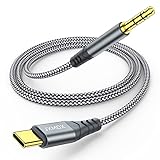

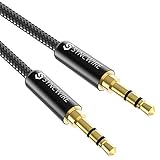
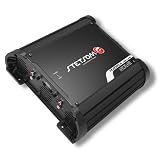


The Ultimate Buying Guide for Quality Car Audio
Upgrading your car’s sound system can change your daily drive. Good car audio means clear music, deep bass, and an enjoyable ride. This guide helps you pick the best gear for your vehicle.
Key Features to Look For
When shopping, focus on these important features:
- Power Handling (RMS vs. Peak): RMS power (Root Mean Square) shows how much power a speaker or amp can handle continuously. Always trust RMS ratings over Peak ratings. Higher RMS usually means louder, cleaner sound.
- Frequency Response: This tells you the range of sounds a speaker can play, from low bass (Hz) to high treble (kHz). A wider range (e.g., 20Hz to 20,000Hz) means you hear more of the music.
- Impedance (Ohms): This is the electrical resistance. Most car speakers are 4 ohms. Make sure your amplifier matches the speaker’s impedance for the best power transfer.
- Connectivity and Features (Head Unit): Look for modern features like Bluetooth, USB ports, Apple CarPlay, or Android Auto if you want easy phone connection and streaming.
Important Materials Matter
The materials used in car audio directly affect sound quality and how long the gear lasts.
Speaker Components:
- Cone Material: Stiffer, lighter materials sound better. Polypropylene, treated paper, or carbon fiber are common. These materials resist warping from heat or moisture in the car.
- Surrounds (The Ring around the Cone): Butyl rubber surrounds last longer than foam surrounds, especially in hot climates.
- Voice Coils: Copper or aluminum voice coils help move the speaker cone efficiently.
Amplifiers:
Look for Class D amplifiers if space is tight. They are very efficient and do not get as hot as older Class AB amps. Good heat sinks (the metal fins on the amp) are crucial for longevity.
Factors That Improve or Reduce Quality
What makes car audio sound great or terrible?
Quality Boosters:
- Proper Wiring: Using thick, high-quality copper wiring (gauge matters!) ensures that the amp sends full power to the speakers. Thin, cheap wires restrict power.
- Sound Deadening: Adding materials to your doors and trunk reduces road noise and vibration. This lets you hear the music, not the rattling metal.
- Component Sets vs. Coaxials: Component speakers separate the tweeter (high sounds) from the woofer (mid/low sounds). This lets you aim the high notes better, creating a superior sound stage.
Quality Reducers:
- Clipping: Running an amplifier too loud causes the sound wave to flatten out, which is called clipping. This sounds harsh and can destroy your speakers quickly.
- Poor Installation: Loose connections or incorrect wiring cause static, humming, or no sound at all.
User Experience and Use Cases
Think about how you use your car. This shapes your purchase.
- Daily Commuter: You need reliable sound and easy phone integration. A good head unit with clear Bluetooth and efficient speakers is perfect. You don’t need massive power.
- Bass Lover (The Enthusiast): You need a dedicated subwoofer and a powerful, stable amplifier. Sound deadening becomes essential here to handle the heavy vibrations.
- Road Tripper: Clarity at highway speeds is key. Invest in high-quality component speakers for the front stage so vocals cut through road noise clearly.
Remember, quality car audio is an investment. Matching components (amp power to speaker sensitivity) ensures the best performance.
10 Frequently Asked Questions (FAQ) About Quality Car Audio
Q: What is the difference between a head unit and an amplifier?
A: The head unit (or stereo receiver) is what you control. It takes the music source (radio, phone) and sends a low-level signal. The amplifier takes that signal and boosts the power so speakers can actually make loud sounds.
Q: Do I need an aftermarket amplifier if I buy new speakers?
A: Not always. If you only replace factory speakers with high-sensitivity aftermarket ones, the power from your factory head unit might be enough. However, an amp provides much cleaner power for louder volumes.
Q: What is “speaker sensitivity” and why does it matter?
A: Sensitivity measures how loud a speaker plays with one watt of power. A speaker rated 92dB is louder than one rated 88dB at the same power level. High sensitivity speakers work well with low-power factory stereos.
Q: How do I know if my speakers will fit my car?
A: Speaker sizes are standard (like 6.5 inches or 6×9 inches). You must check your car’s manual or use online fitment guides to confirm the exact size and mounting depth your doors or dash can handle.
Q: Is a subwoofer always necessary for good bass?
A: Subwoofers handle the very lowest frequencies (below 80Hz). While good door speakers can play some bass, a dedicated subwoofer provides the deep, chest-thumping sound that most people associate with great car audio.
Q: What is the best gauge wire to use for an amplifier?
A: The correct gauge depends on the amplifier’s power. Generally, for amps under 500 watts, 8-gauge wire is standard. For very powerful setups, 4-gauge or 0-gauge wire is needed to prevent power loss.
Q: What is “crossover” in car audio?
A: A crossover directs specific sound frequencies to the correct speaker. For example, it sends high frequencies to the tweeter and low frequencies to the woofer, preventing damage and improving clarity.
Q: Should I buy all my components from the same brand?
A: No. While many brands make great matched sets, you can mix and match. Focus on getting the best quality amp, the best speakers for your budget, and a reliable head unit.
Q: How long should quality car audio last?
A: If installed correctly and not constantly over-driven (clipped), quality components like those with butyl rubber surrounds and good internal wiring can easily last 10 to 15 years.
Q: What is the easiest first upgrade to make?
A: Replacing the factory head unit offers immediate benefits like better connectivity (Bluetooth) and cleaner pre-amp signals for future upgrades. Speakers are usually the second best starting point.